The UFC's Abu Dhabi Problem: Why Ikram Aliskerov's 'Big Name' Callout Reveals the Promotion's Emerging Middle Eastern Star Dilemma
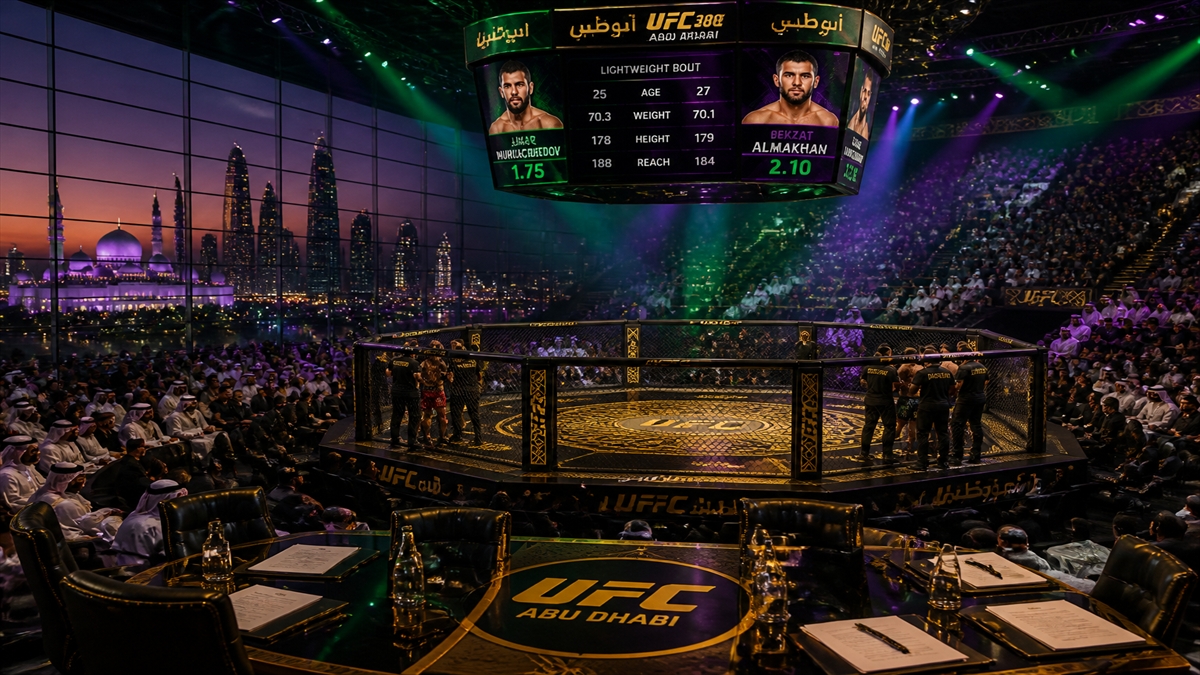
Ikram Aliskerov just did something the UFC probably wishes he hadn't. After dismantling his latest opponent, the Dagestani middleweight ranked inside the top fifteen didn't call out another regional contender for a sensible step up the ladder. He went straight for the marquee names, the kind that sell pay-per-views and move betting odds across every sportsbook from Vegas to the crypto gambling platforms lighting up Middle Eastern VPNs.
And that's when the uncomfortable question emerged: if the UFC is so committed to Middle Eastern expansion, dropping eight-figure facility deals in Abu Dhabi and chasing Saudi oil money with the enthusiasm of a forex trader during a bull run, why does a ranked fighter from the region have to beg for the same opportunities the promotion hands to fighters from Ohio on a silver platter?
The Math Doesn't Add Up
Let's talk numbers, because this is ultimately a casino game where the UFC holds all the cards. The promotion has hosted multiple events in Abu Dhabi, inked deals with Saudi Arabia's General Entertainment Authority, and positioned itself as the premier combat sports organization in a region with more disposable income than sense when it comes to sports investments. The betting markets reflect this interest too. Middle Eastern audiences are increasingly active on offshore sportsbooks, with UFC odds consistently among the most-wagered events.
Yet Aliskerov, despite a 15-1 record and wins over legitimate competition, can't crack the code to elite matchmaking. Compare this to how the UFC fast-tracked Chinese fighters during their mainland China expansion phase. Remember when the promotion was practically creating title eliminators out of thin air for fighters like Li Jingliang? The investment wasn't just in venues, it was in creating heroes who could anchor those markets long-term.
The Brazil Blueprint vs. The Middle East Mirage
Here's where the strategy diverges in revealing ways. When the UFC committed to Brazil, they didn't just rent stadiums in São Paulo. They built stars. Anderson Silva got protected matchmaking early. José Aldo received a title shot against a fading champion. The promotion understood something fundamental about market penetration: you can't sell international audiences on American stars forever when those audiences want to see themselves in the Octagon.
Brazil worked because the UFC invested in the product, not just the real estate. Middle Eastern expansion feels different, like the promotion discovered they could charge premium facility fees, collect government subsidies, and still headline with the same rotation of American and European names they'd book for a Las Vegas card. It's the difference between building a franchise and running a popup shop.
The European model falls somewhere in between. The UFC elevated some regional stars, Till and Aspinall in the UK, Adesanya from New Zealand via Nigeria, but often as exceptions rather than systematic strategy. The difference? Those fighters didn't require the promotion to navigate complex cultural or political considerations the way Middle Eastern stars might.
The Aliskerov Test Case
Aliskerov represents everything the UFC claims to want in a Middle Eastern star. Exciting fighting style, legitimate credentials from the brutal Russian regional circuit, and the kind of background story that writes itself for promotional packages. He's also from Dagestan, which despite being Russian territory, carries massive cultural cache across the Muslim world and particularly in the Gulf states where the UFC is parking truckloads of investment capital.
So why is he calling out big names instead of being fed to them as a protected prospect? The answer reveals the fundamental tension in the UFC's approach. Elevating Aliskerov means risking him against established stars. If he wins, great, you've got your regional hero. But if he loses, you've just burned your investment for short-term content, and you're back to square one in a market where you've already cashed the venue checks.
The safer play, from a pure risk management perspective, is to keep bringing proven Western draws to Middle Eastern venues, maintain the prestige, and treat regional fighters as undercard filler. It's the same logic that drives essay writing services to use templates rather than custom work, or dating apps to prioritize user retention over actual matchmaking success. Why take unnecessary risks when the current model generates revenue?
The Economic Contradiction
This is where the UFC's Middle Eastern strategy starts looking less like expansion and more like extraction. Consider the parallels to how American businesses have approached other international markets. The initial phase involves aggressive investment and local partnership. The second phase should involve developing local leadership and stars. But there's an alternative third phase: realize you can maintain market presence through prestige and scheduling alone, without actually empowering local stakeholders.
Sports betting markets reflect this tension perfectly. While regional fighters like Aliskerov might generate local betting interest, the UFC knows that global handle still concentrates on established names. A main event featuring an American champion moves more action across international sportsbooks and crypto betting platforms than a regional contender, even in his home market. The promotion is reading the odds, literally.
What Happens Next?
The UFC faces a decision point that will define whether Middle Eastern expansion is legitimate or performative. They can continue the current model, flying in Western stars for premium venue fees while regional fighters scrap for undercard spots. Or they can take the Brazil route, accepting short-term risk to build long-term market dominance through homegrown stars.
Aliskerov's callout is a test. If the UFC books him against a ranked opponent with name value and promotes it properly, it signals genuine commitment. If he gets another gatekeeper or finds himself stuck in matchmaking purgatory, it confirms what many suspect: the Abu Dhabi investments are about real estate and appearance fees, not about building the next generation of Middle Eastern champions.
The irony is that the UFC's own history proves the value of regional stars. Every major market they've cracked, from Brazil to Canada to China during its peak, succeeded because local heroes gave audiences someone to invest in emotionally, not just financially. You can't build lasting market share by treating an entire region as a rental venue.
Right now, the UFC is playing a different game in the Middle East than it played everywhere else. Whether that's brilliant adaptation to unique market conditions or short-sighted cash extraction will depend on what happens to fighters like Aliskerov. The odds, if you're betting, don't look great for the regional stars. But then again, the house doesn't always win forever, and sometimes the longshot comes through when you least expect it.


