The ONE Championship Sponsorship Anomaly: Why Asia's Biggest MMA Promotion Lets Fighters Wear Crypto Logos While the UFC Bans Everything
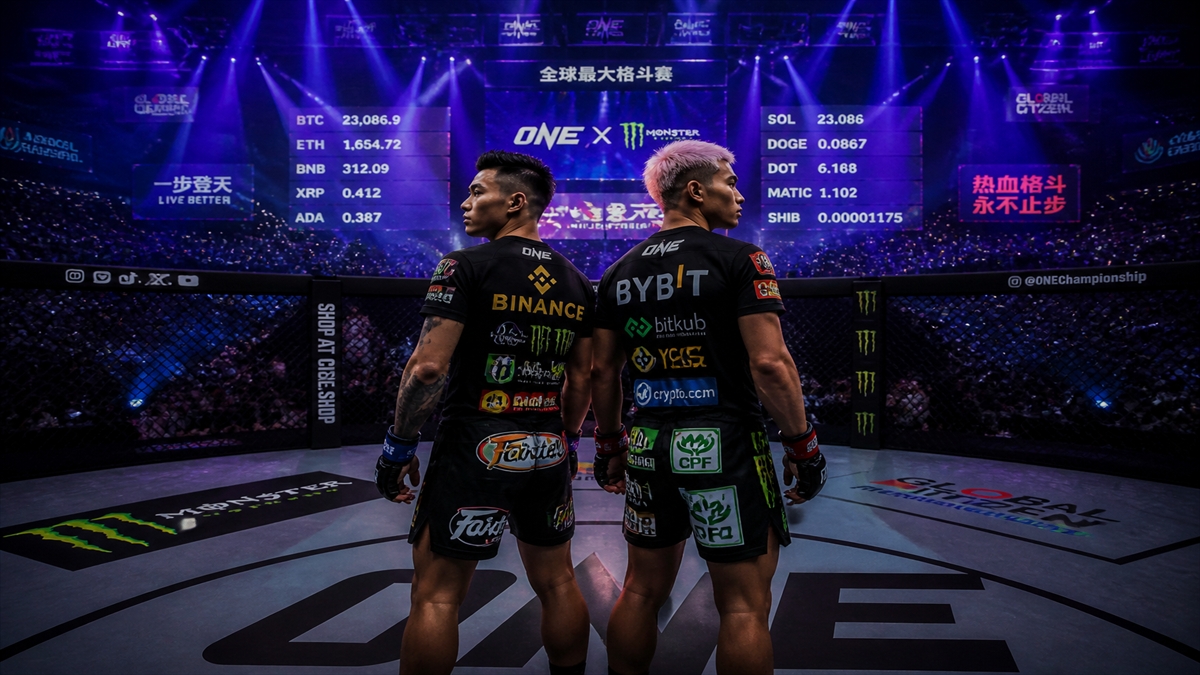
Walk into any ONE Championship event in Singapore or Bangkok, and you'll see something that would get a UFC fighter fined into oblivion: fight shorts covered in cryptocurrency exchange logos, regional betting platforms, and supplement brands that didn't pay Dana White a dime for the privilege. It's not chaos. It's a calculated business model that's quietly making mid-tier Asian fighters wealthier than their American counterparts with better records.
The Reebok Disaster That Changed Everything
When the UFC signed its exclusive uniform deal with Reebok in 2015 (later switched to Venum), the promotion sold it as professionalism. Fighters saw it differently: a massive pay cut disguised as brand consistency. Guys who were pulling $50,000-$100,000 per fight from individual sponsors suddenly got a few thousand based on arbitrary tenure brackets. The UFC pocketed the multi-million dollar apparel deal while fighters lost their independent income streams.
ONE Championship watched this unfold and did the exact opposite. CEO Chatri Sityodtong made sponsorship freedom a cornerstone of his fighter contracts. Want to wear your cousin's noodle shop logo? Fine. Scored a deal with a cryptocurrency exchange? Even better. The promotion takes no cut and imposes almost no restrictions beyond basic decency standards.
The Numbers Nobody Talks About
Stamp Fairtex, ONE's atomweight Muay Thai and MMA champion, reportedly earns more from her sponsor portfolio than her fight purses. We're talking six figures annually from brands that Western audiences have never heard of: regional energy drinks, Asian crypto platforms like Bybit, and local wellness companies. For context, a UFC fighter at her level of recognition might get $12,000 from the Venum deal and absolutely nothing else.
Anatoly Malykhin, the heavyweight champion, wears more sponsor patches than a NASCAR driver. His shorts feature at least five different brands per fight. Industry insiders estimate his sponsorship income rivals what mid-tier UFC fighters earn in disclosed pay—except he gets to keep all of it without the promotion taking a percentage.
Why Crypto Loves ONE Championship
Cryptocurrency companies can't advertise during UFC broadcasts in most jurisdictions. Too many regulatory minefields. But in Singapore, Thailand, and the Philippines? Different story. ONE Championship events have become prime real estate for crypto exchanges looking to reach exactly the demographic they want: young, tech-savvy, risk-tolerant males with disposable income.
The irony is thick. The UFC positions itself as the premium global brand while restricting fighter income. ONE Championship, dismissed by many Western fans as a regional promotion, has created an economic model where fighters actually benefit from the sport's growth. When a new crypto sponsor enters the market, UFC fighters watch from the sidelines. ONE fighters negotiate their own deals.
The Geographic Lottery
Here's the uncomfortable truth: where you fight matters more than how well you fight. A competent striker in ONE Championship can earn more from sponsors than a ranked UFC contender if they play the game right. This isn't speculation—it's math.
Take a hypothetical: a UFC fighter ranked #12 in their division fights three times per year. With disclosed pay, win bonuses, and the Venum deal, they might gross $200,000 if they win all three fights. Now consider a ONE Championship fighter with similar skills and recognition fighting the same schedule in Asia. Base pay might be lower, but add sponsorship income from 4-5 legitimate brands at $30,000-$50,000 each, and you're looking at comparable or better total compensation.
The UFC fighter has more "prestige." The ONE fighter has more money in their bank account. Which matters more when your athletic career ends at 35?
Why Western Promotions Won't Follow
Bellator could adopt this model tomorrow. PFL could implement it next month. They won't, and the reason is depressingly simple: giving fighters sponsorship freedom means promotions can't sell exclusive uniform deals to apparel companies. The UFC's Venum contract is worth millions annually to the promotion. Individual fighter sponsorships generate zero revenue for UFC ownership.
It's a classic principal-agent problem. What's best for the promotion (centralized sponsorship revenue) directly conflicts with what's best for fighters (individual earning potential). ONE Championship sided with fighters because it operates in markets where individual sponsors are more valuable than a single apparel deal. The UFC operates where massive corporate contracts trump everything else.
The Media Blackout
Western MMA media largely ignores this story because it complicates the narrative. If fighters can earn comparable money in Asia with more autonomy and better treatment, what does that say about the UFC's claims of being the only viable path to MMA success? Easier to focus on knockout highlights than economic systems.
The few times this topic surfaces, it's dismissed as "different markets" or "cultural factors." But the economics aren't complicated. More money in fighters' pockets is better for fighters. The UFC has convinced everyone that uniform deals represent professionalism when they actually represent revenue consolidation at the top.
The Unspoken Leverage
Every UFC contract negotiation now happens in the shadow of ONE Championship's model. Fighters and their managers know an alternative exists where they'd control their own sponsorships. The UFC knows this too, which is why they've worked hard to position ONE as inferior despite evidence that its top fighters earn competitive money.
This matters beyond individual paychecks. When one major promotion demonstrates that fighter-friendly sponsorship policies can coexist with profitable operations, it destroys the argument that such policies are financially impossible. The UFC doesn't ban sponsorships because they're unmanageable. They ban them because allowing them would reduce centralized revenue.
What Happens Next
The smart money says nothing changes. The UFC has no incentive to alter a system that benefits ownership, and Western fighters lack the collective bargaining power to force change. ONE Championship will continue operating its model in Asia, creating a parallel MMA economy that most American fans don't know exists.
But fighters know. And every time a mid-tier UFC athlete sees Stamp Fairtex's Instagram sponsored posts or Malykhin's logo-covered shorts, they're doing math in their heads. Geography shouldn't determine earning potential more than skill, but in modern MMA, that's exactly what's happening. The sport has a two-tier global system where the promotion that calls itself the best pays fighters less autonomy and often less money than the one most Western fans have never watched.
The ONE Championship sponsorship model isn't an anomaly. It's a reminder that the way things are isn't the only way things could be. The question isn't whether fighter-friendly policies are possible—ONE proves they are. The question is whether Western promotions value fighter welfare enough to sacrifice centralized sponsorship revenue. Based on the last decade, the answer is pretty clear.


