The Usyk-Verhoeven Crossover Proves Boxing vs. Kickboxing Is MMA's Next Frontier
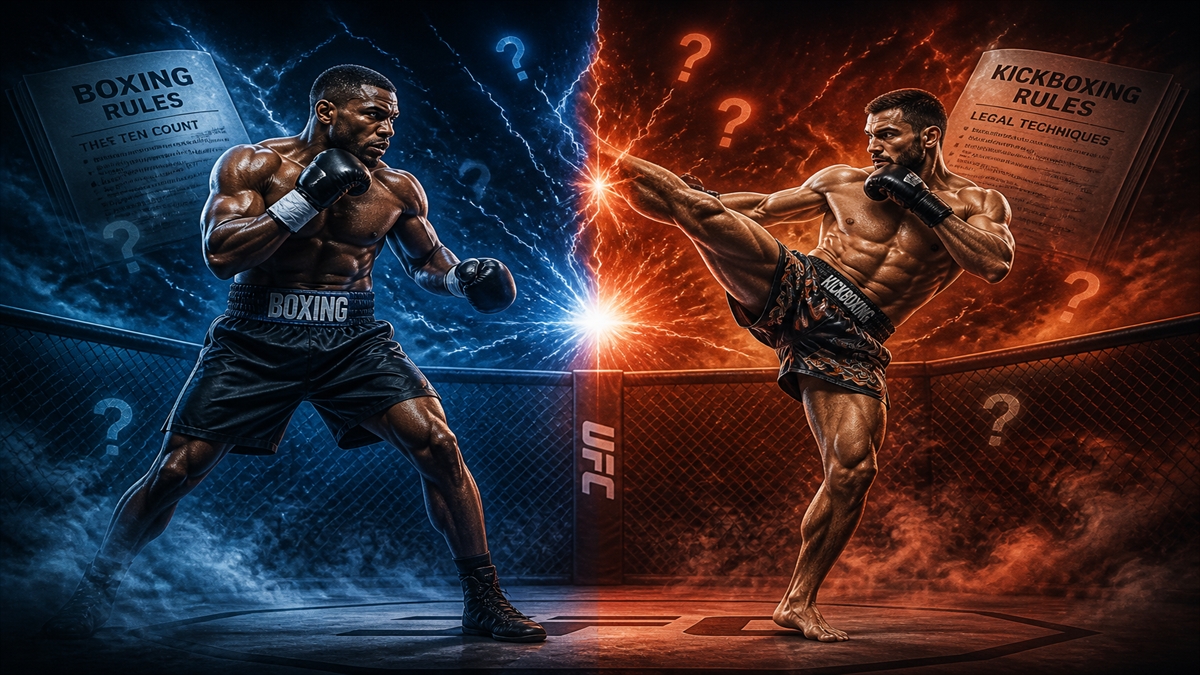
When Oleksandr Usyk stepped into the ring against Rico Verhoeven in a hybrid boxing-kickboxing ruleset, casual fans saw a novelty exhibition. Veteran combat sports analysts recognized something far more significant: the opening salvo in what could become the most lucrative arms race since the UFC absorbed Pride FC.
The Controversy That Launched a Thousand Think Pieces
Usyk's split-decision victory over the legendary kickboxing champion has ignited passionate debate across combat sports. Rico Verhoeven's post-fight statement reflected the frustration many felt about the judging, while heavyweight icons like Canelo Alvarez and Francis Ngannou weighed in with their own takes on the controversial outcome. But here's what everyone's missing: the controversy is the point.
In behavioral economics, there's a concept called "optimal friction"—the idea that a perfectly smooth experience isn't always what drives engagement. Sometimes, you need controlled chaos. Think about how the NCAA tournament's bracket system generates endless debate, or how Formula 1's constantly tweaked regulations keep fans arguing about fairness. The Usyk-Verhoeven ruleset—combining elements of both striking disciplines—creates precisely this kind of productive friction.
Why This Matters More Than Another UFC vs. Bellator Crossover
The PFL just demonstrated the limits of traditional MMA promotion crossovers. While Patrick Habirora's dominant victory over Benson Henderson at PFL Brussels generated headlines, it followed a predictable script: rising prospect defeats aging legend. We've seen this movie before, and it rarely drives sustainable growth.
Boxing versus kickboxing, however, taps into something psychologically deeper. It's the ultimate apples-to-oranges comparison that humans can't resist attempting. It's the sports equivalent of asking whether a grizzly bear could beat a gorilla—fundamentally unanswerable, endlessly fascinating, and perfectly engineered for viral debate.
The Science of Stylistic Clash
From a biomechanical standpoint, boxers and kickboxers develop entirely different motor patterns. Boxers optimize for hand speed, head movement, and footwork within a narrow striking plane. Kickboxers train spatial awareness across multiple attack angles, sacrificing some hand speed for defensive versatility against leg kicks and body kicks.
When you force these athletes into hybrid rulesets, you're essentially asking a Formula 1 driver to suddenly navigate a rally course. The technical degradation becomes the spectacle. Fans who understand the nuances debate technique. Casual viewers just see chaos and knockdowns. Everyone wins—except maybe the purists, but they're already watching RIZIN anyway.
The Business Model Hidden in Plain Sight
Here's where this gets interesting from an economic perspective. The UFC has spent decades building a moat around MMA through vertical integration: fighter contracts, regulatory capture, and content distribution. But they've also created a ceiling. There are only so many ways to sell "fighter A versus fighter B in an octagon."
Cross-discipline superfights, however, multiply the addressable market. You're not just selling to MMA fans—you're capturing boxing audiences, kickboxing devotees, and the massive casual market that tunes in for spectacle over sport. It's the same strategy that made boxing-MMA crossovers like Mayweather-McGregor commercial juggernauts despite being competitive mismatches.
The Betting Angle Nobody's Discussing
Sports betting operators are salivating over this trend, and for good reason. Traditional MMA betting has become increasingly efficient as sportsbooks accumulate data and sharps exploit patterns. Cross-discipline matchups, by definition, lack historical precedent. This inefficiency is catnip for both bookmakers (who can set wider margins) and action junkies (who love betting on unpredictable outcomes).
The Usyk-Verhoeven controversy amplifies this effect. When outcomes feel subjective and rules seem malleable, betting becomes less about analysis and more about narrative—which is exactly what keeps recreational bettors engaged and losing money over time.
What Comes Next: The Prediction Matrix
If this trend continues—and the reactions from Canelo and Ngannou suggest it will—we're looking at several possible timelines:
- The Boxing Incursion: Top boxers increasingly take kickboxing or MMA fights under modified rules, treating them as high-paying exhibitions that don't risk their boxing zero
- The Kickboxing Renaissance: Organizations like Glory and ONE Championship leverage their kickboxing rosters to negotiate crossover mega-fights, finally achieving mainstream relevance in Western markets
- The UFC Defensive Play: Dana White reluctantly allows select UFC fighters to compete in boxing matches to prevent talent from leaving for greener pastures
- The Wild Card: A new promotion emerges specifically to host cross-discipline superfights with ever-changing rulesets, becoming combat sports' answer to The Ocho from "Dodgeball"
The Uncomfortable Truth About Combat Sports Evolution
MMA was supposed to answer the age-old question: which martial art is best? Forty years later, we learned the answer is "all of them combined." But that answer killed the question's commercial appeal. Stylistic mystery sells. Once everyone cross-trains in Brazilian Jiu-Jitsu, wrestling, and Muay Thai, fights start looking samey.
Cross-discipline matchups resurrect that original mystique. They're not about finding the ultimate fighting style—they're about manufacturing uncertainty in an increasingly predictable sport. Usyk versus Verhoeven proves you can put that uncertainty in a bottle and sell it for millions.
Whether Rico Verhoeven's post-fight complaints lead to rule changes or Usyk's victory emboldens more boxers to test kickboxing waters, one thing is certain: we've just witnessed a proof of concept for combat sports' next evolution. And unlike MMA's gradual development from spectacle to sport, this evolution runs backward—from sport back to pure, profitable spectacle.
The question isn't whether more of these fights will happen. It's whether promoters can resist the temptation to kill the golden goose by oversaturating the market. History suggests they can't. But history also suggests fans will eat it up anyway.


