Navajo Stirling Knocks Out Jiri Prochazka, Then Pokes the Samurai Ritual: 6 Takeaways
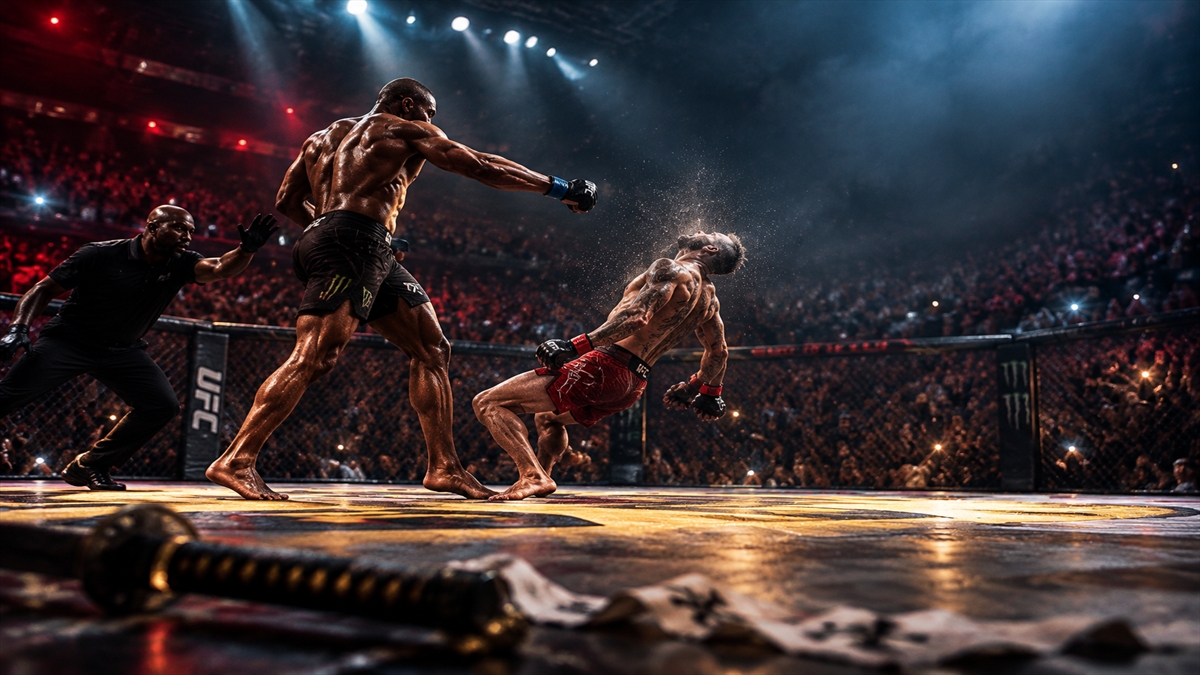
Unbeaten Navajo Stirling just knocked out Jiri Prochazka, and before the cageside noise settled, he was already talking about Prochazka's pre-fight rituals. That's a bold move against one of the most beloved, strangest, and most dangerous light heavyweights of the last decade. Here are six takeaways on the finish, the comment, and the Alex Pereira question hanging over everything.
1. The Finish Was Simple, and That's the Point
Prochazka's whole game is chaos: weird angles, dropped hands, a rhythm no one else fights in. It works because opponents try to solve it and get lost. Stirling didn't try to solve it. He stayed direct, kept his power ready, and made Prochazka pay for the moment the chaos left a window open. Rewatch it and look at the decision-making, not just the final shot. The finish looks like a lucky punch only if you ignore the work that created the opening.
It's the same logic as a poker player who stops trying to read a bluffer and just waits for the one hand that matters. Boring approach, brutal result.
2. Stirling's Rise Is Built on Results, Not Rituals
The unbeaten record is the headline, but the way he got here matters more. Stirling doesn't fight like a guy chasing a highlight reel. He fights like a guy who has a plan, trusts his power, and doesn't need a ceremony to feel ready. That's the raw, results-first approach in a nutshell: show up, hit hard, go home.
Beating a former champion with that much mystique is a different kind of résumé line. Plenty of prospects look great until they meet someone who makes them uncomfortable. Stirling met one of the most uncomfortable opponents in the division and turned him into a lesson.
3. The Rituals Comment: Honest or Calculated?
Prochazka is famous for his samurai mindset: the meditation, the sword training, the philosophy that sits behind every walkout. Stirling questioning that stuff publicly is either an honest take from a guy who thinks fighting is fighting, or a smart way to get people talking. Probably both.
Here's how to read it:
- The honest read: Stirling believes preparation is reps, sparring, and conditioning. Anything else is flavor. He said what he thinks, and he's just young and confident enough not to soften it.
- The brand read: A new name beating a fan favorite needs a hook. A mild jab at the ritual gives casual fans a storyline and gives Stirling a lane: the no-frills finisher against the mystic.
- The reality: In this sport, those two things aren't opposites. Every great trash talker started as someone who just said something real at the right time.
4. Respect for Prochazka Still Has to Stay in the Frame
Let's be clear: a loss doesn't turn Prochazka into a punchline. He's a former champion who has delivered some of the wildest fights the light heavyweight division has ever seen, and he's earned the right to prepare however keeps him sharp. His rituals are part of why people care about him. They're not a weakness just because one night ended badly.
Stirling's line works best if he keeps it about philosophy, not disrespect. Mocking a man's beliefs gets old fast. Saying "that's not for me, and look what happened" is a lot easier for fans to enjoy.
5. The Pereira Case: Realistic, but Not Free
Now for the fun part. Alex Pereira is the obvious name. He's a former two-division champion with kickboxing pedigree, and he's stopped Prochazka himself, twice. That shared opponent creates an instant storyline: one man beat Prochazka with a left hook that feels like a car door, the other just did it with his own brand of violence.
Here's what the matchup would test:
| Question | What Stirling Must Show | What Pereira Brings |
|---|---|---|
| Striking range | He can control distance against elite kickboxing | Calf kicks, a heavy left hook, and patient timing |
| Pressure vs. counters | His forward power doesn't walk him into trouble | A counter-puncher's gift for punishing mistakes |
| Pace of a big fight | Composure on a bigger stage | Experience in the spotlight |
| Grappling insurance | A path if the standup gets dicey | Strong takedown defense and a calm approach |
If you're setting the odds, Pereira is likely the favorite on experience and striking polish. But a favorite isn't a lock. Underdogs with real power are exactly what keeps oddsmakers nervous, and Stirling has already shown he can end a night with one clean exchange.
6. Would the UFC Actually Book It?
This is where it gets political. Promotions love an unbeaten record, but they also love protecting a valuable name. Putting Pereira against a rising knockout artist is risky for everyone: if Pereira wins, Stirling's hype takes a hit, and if Stirling wins, the division reshuffles in a hurry.
The case for booking it is simple. The fight sells itself: a rising unbeaten finisher versus one of the biggest stars in the sport, with a Prochazka subplot baked in. The case against is timing. The UFC could prefer another win or two to build Stirling up first, then sell the Pereira fight as a bigger event later.
My guess? If Stirling keeps talking and keeps finishing, the matchup becomes hard to avoid. Fans don't care about perfect matchmaking. They care about stories, and this one has a beginning, a villain, and a very obvious sequel.
The Bottom Line
Stirling's win over Prochazka was clean, decisive, and a little rude, which is exactly what makes it interesting. Whether the rituals comment was honest or strategic, it landed because the result backed it up. Now the question isn't whether he's a real contender. It's whether he's ready for the kind of fighter who makes real contenders look ordinary.


