Natalia Silva and Wang Cong Reshape the UFC Flyweight Title Picture
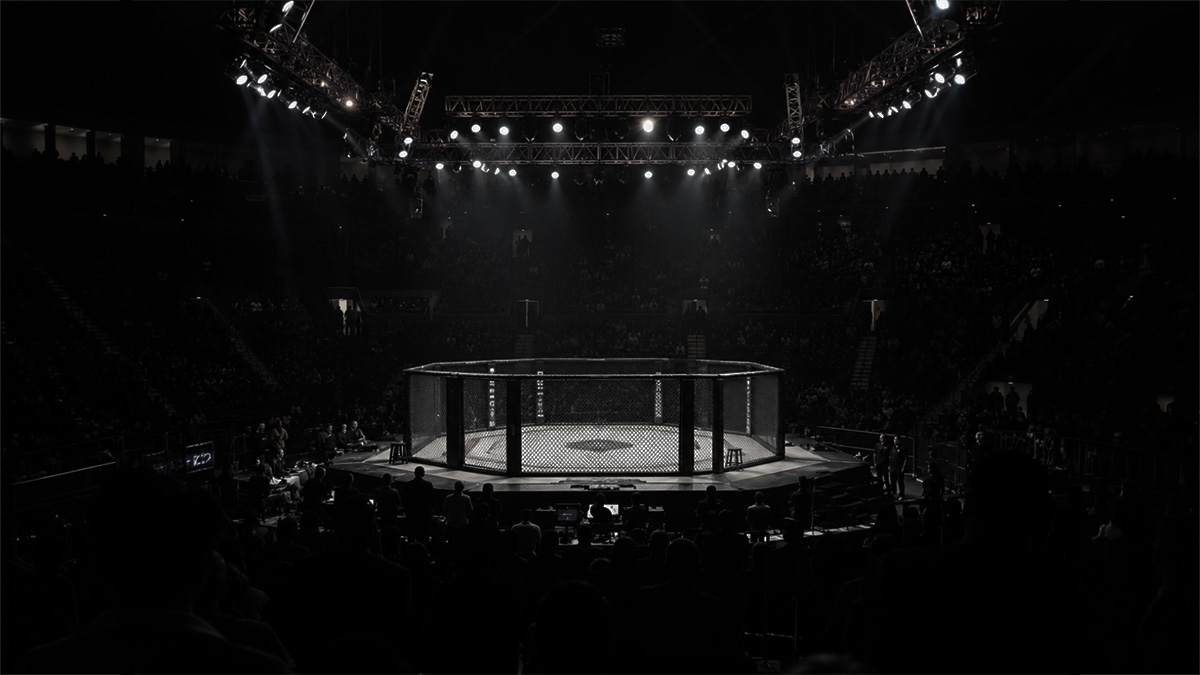
Natalia Silva and Wang Cong are set to meet for the vacant UFC flyweight championship, bringing together two fighters whose games are rooted heavily in striking without being built the same way. Silva’s movement and varied kicking create one rhythm; Wang’s background points toward a more direct form of pressure.
Any market information available after an access point like 1xbet registration would still be separate from the official UFC record, where the title is vacant and neither fighter enters as defending champion. That leaves the sporting story unusually clean. This matchup is about two different striking identities competing to establish a new champion.
The title matchup brings together two striking identities
Calling Silva and Wang strikers is accurate, but only up to a point.
Silva brings a Taekwondo background alongside jiu-jitsu experience. Her stand-up game has been associated with light movement, varied kicks and changes of angle. She can work from different ranges rather than staying fixed in one striking pattern.
Wang’s background runs through Sanda as well as kickboxing and boxing. Her approach has included forward pressure, low kicks and sharp hand combinations.
The broad label is shared. The routes underneath it are not.
| Element | Silva | Wang |
|---|---|---|
| Striking background | Taekwondo | Sanda, kickboxing and boxing |
| Stand-up emphasis | Movement and varied kicking | Pressure and direct combinations |
| Range | Frequent angle changes | More sustained forward exchanges |
| Wider MMA layer | Jiu-jitsu background | Transitions rooted partly in Sanda |
The table does not predict which approach will prevail. It simply shows why “striker versus striker” leaves out much of the matchup.
Silva’s movement creates a different kind of stand-up problem
Silva’s kicking matters partly because of what happens before the strike is thrown.
Movement can change the angle from which an attack begins. Distance can shift between exchanges. A kick then becomes one part of a larger problem rather than an isolated weapon.
That makes her Taekwondo base relevant without reducing her game to Taekwondo alone. MMA adds clinch exchanges and grappling transitions that do not exist in a pure striking contest.
Her jiu-jitsu background also matters for the same reason. An opponent cannot assume that every exchange will remain at kicking range simply because striking is the most visible part of Silva’s style.
Wang’s striking background produces another rhythm
Wang arrives from a different collection of striking disciplines.
Sanda can combine strikes with throws and transitions, while kickboxing adds another layer of stand-up experience. Her boxing background supports the hand combinations that appear when she closes distance.
That can create a more direct visual rhythm than Silva’s movement-heavy approach. Forward pressure and low kicks can force exchanges to happen from different positions, especially when stance disruption becomes part of the sequence.
None of that makes the matchup symmetrical simply because both fighters prefer to work on the feet.
Betting prices create a separate reading of the fight
A betting market can attach favourite and underdog labels to the same matchup, but those labels describe pricing rather than official UFC status.
They do not change the division. They do not turn either fighter into the defending champion, and they do not determine whether Silva’s movement or Wang’s pressure will control the exchanges.
The distinction is the same across sports. A UFC price and a bet on cricket belong to different events, but both remain market expressions rather than official competitive records.
Market prices can move as an event approaches without rewriting either athlete’s technical background. Responsible betting keeps that separation clear by treating prices as uncertain estimates rather than guarantees and by keeping spending within limits set in advance.
Sharing the striker label does not make the matchup identical
The question is not whether both women can strike. They clearly can. It is how each creates the conditions for striking.
Silva can change range through movement and kicks. Wang can pressure more directly and work through combinations once distance closes.
Their backgrounds also leave different routes into transitions. Sanda carries its own connection between striking and throws, while Silva’s wider MMA development includes jiu-jitsu.
A shared label therefore tells only the first part of the story. Style becomes more specific when range, movement and transitions are separated.
A vacant title changes what the matchup establishes
A vacant championship fight has a different divisional meaning from a conventional title defence.
There is no incumbent champion entering with the belt. The contest instead determines who becomes the new titleholder.
That gives Silva versus Wang importance beyond the stylistic contrast. The result will establish a new reference point at the top of the flyweight division, while the fight itself tests two striking-led approaches that arrive there through different technical routes.
The title can only go to one fighter. What makes the matchup interesting before that happens is that neither “striker” nor “vacant championship” explains the whole fight on its own.


