How Fighting Styles Shape MMA Betting Trends
Anyone who has watched enough MMA knows the record beside a fighter’s name rarely tells the whole story. Two fighters can walk into the cage with similar resumes and the fight can still feel lopsided once you start imagining how their styles match up. Sometimes a fighter riding a long win streak suddenly looks vulnerable. Other times someone coming off a loss feels oddly dangerous in the right matchup. A lot of that comes down to style.
Some fighters move forward nonstop and force exchanges from the opening seconds. Others are far more comfortable waiting, reacting, letting the opponent make the first mistake. When those approaches collide, the fight often develops in ways that statistics alone never predicted.
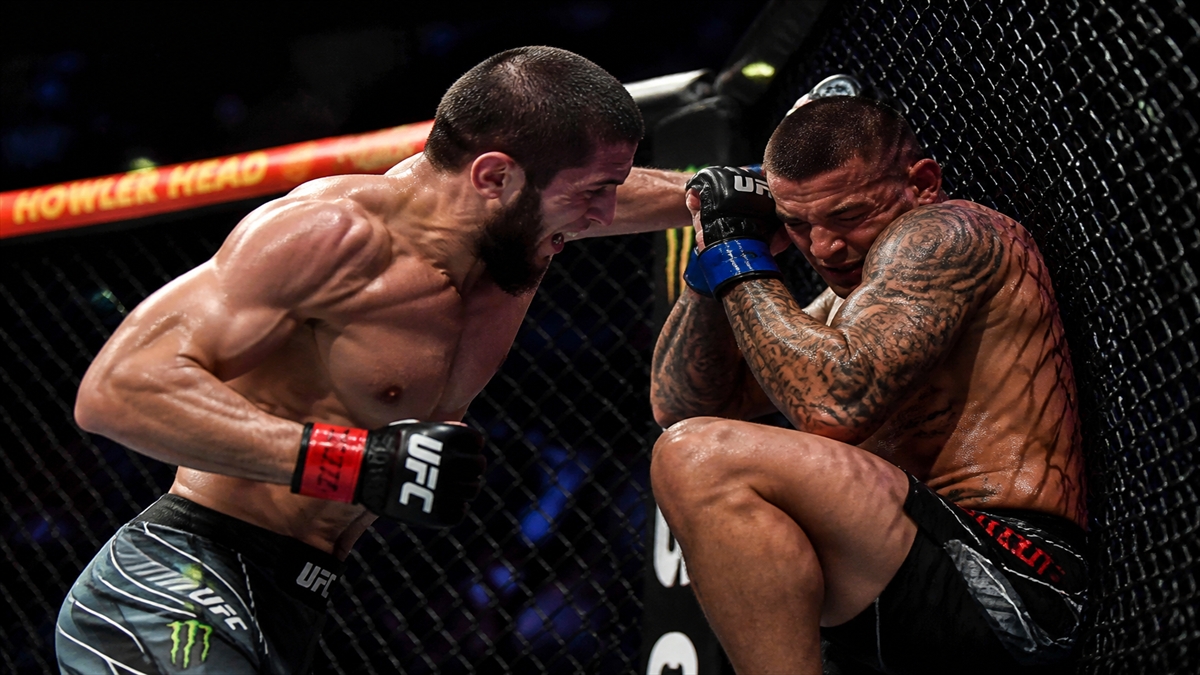
Take the pressure fighters who never really give their opponent time to breathe. They step forward immediately, close distance, and start forcing exchanges whether the other fighter wants them or not. Once that pace gets established the fight can feel frantic. Even experienced fighters sometimes struggle to settle into their rhythm when someone is constantly in their face. And when that kind of pressure works, the entire tone of the fight changes.
Pressure Fighters and Fast Finishes
Relentless pressure tends to produce messy exchanges. Fighters end up trading more often than they planned to. The space inside the cage shrinks and the fight becomes about survival as much as strategy. This kind of pace often leads to sudden moments — one clean counter, one defensive mistake, and the fight is over before many expect it to be. That volatility is exactly what makes pressure-heavy matchups so interesting from a betting perspective. Finish markets and early-round lines tend to move sharply when an aggressive pressure fighter is involved, and getting ahead of that movement requires understanding how those lines are built in the first place. Resources like Dimers break down how sportsbooks price these markets, which can help bettors identify where the value sits before the odds adjust.
Counter Strikers Waiting for the Moment
Counter strikers operate very differently. They are comfortable letting the other fighter take the lead. Instead of forcing exchanges, they study the timing. They watch how their opponent enters range and how they throw combinations. When the moment appears, the response is quick and precise.
These fighters often look quiet early in a fight. Then suddenly one exchange lands clean and the momentum shifts. Against overly aggressive opponents, that patience can become extremely dangerous. A lot of famous knockouts in MMA have come from that exact situation. One fighter pushing the pace, the other waiting calmly for the mistake.
Grapplers Change the Entire Tempo
When a strong wrestler enters the cage, the fight can look different almost immediately. Distance disappears. Instead of striking exchanges in open space, the action moves toward the fence or into clinch battles. If the fight hits the mat, the pace slows and positioning becomes everything. Rounds can stretch out with long periods of control while the bottom fighter searches for a way back to his feet. For grapplers this is exactly where they want the fight. For strikers it can be exhausting. These stylistic differences often explain why some fights become grinding tactical battles while others turn into chaotic striking exchanges.
When Styles Do Not Follow the Script
The interesting part about MMA is that styles do not always behave exactly the way people expect. A striker with strong takedown defense can completely neutralize a wrestling heavy game plan. A grappler who has quietly improved his stand up might decide to keep the fight on the feet just to surprise his opponent. Those moments are where predictions fall apart. Records may look clear on paper, but once the fight begins small adjustments can shift everything.
The Role of Fight Study and Technology
Fight analysis has evolved a lot in recent years. Fans and analysts now have access to far more footage and tools for studying matchups. Slow motion replays, large fight libraries, and digital breakdowns make it easier to notice patterns in how fighters move. How they defend takedowns. How they react under pressure. How their striking changes as rounds pass. Many sports platforms now incorporate that kind of deeper analysis when presenting matchups. Fight previews often combine statistics with stylistic observations so fans can better understand how a contest might unfold.
Why Style Still Matters Most
In the end, mixed martial arts remains a sport built on contrasts. Some fighters want distance so they can strike cleanly. Others want to close space and turn the fight into a wrestling match. Some thrive when the pace becomes chaotic. Others prefer patience and timing. When those approaches collide, the result rarely follows a simple script. That is why experienced fans often look at style before anything else. Because once the cage door closes, the most important question is not always who has the better record. It is whose style creates the bigger problem.


