Josh Hokit vs. Ciryl Gane at UFC 334: Can the Underdog Land the Heavyweight Shock?
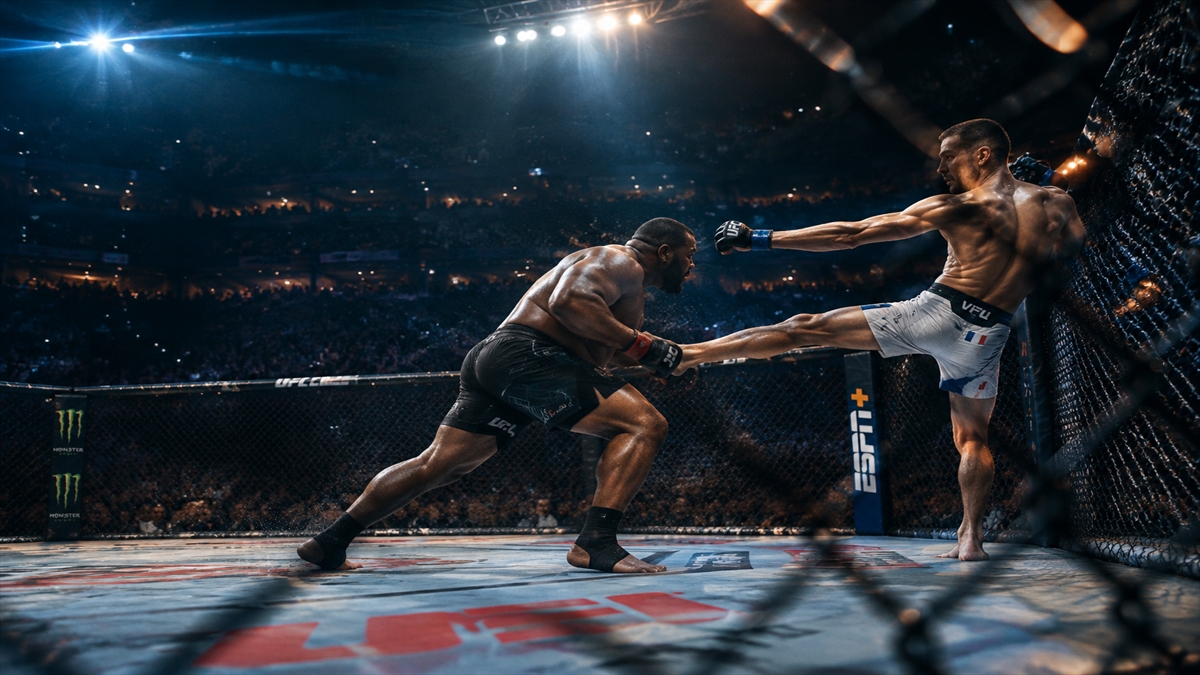
Heavyweight is the one division where a single second can erase ten minutes of dominance. That is exactly why Josh Hokit vs. Ciryl Gane at UFC 334 is worth your attention. On paper, it looks like a mismatch in polish. In practice, it is a collision between a patient, long-range technician and a muscular, forward-marching ex-football player who treats the cage like a goal line.
Adding fuel, a former heavyweight champion has publicly backed Hokit to pull the upset. Public belief from someone who has actually lived in that weight class is interesting, but it is not a result. So let's look at what the belief is built on, and whether it holds up.
How Hokit Got to the Main Stage
Hokit's path is not the usual one. He came from college football, where the job is to move large people against their will, and brought that physical mindset into a short pro MMA career. His rise has been fast and finish-heavy, with the kind of highlight energy that gets matchmakers' attention and gets a fighter pushed up the ladder quickly.
That speed is both the appeal and the question mark. A short résumé means fewer hours of tape and fewer proven answers to adversity. It also means opponents have little evidence of how he looks when his first plan stops working.
What Hokit Brings
- Raw physical strength: He is built to bully people in the clinch and against the fence.
- Aggression-first rhythm: He wants the fight in a phone booth, not a ballroom.
- Finishing instinct: When he hurts someone, he hunts rather than admires his work.
- Athletic base: Football conditioning and contact tolerance are real assets in heavyweight.
What Gane Brings
Ciryl Gane is the opposite flavor of heavyweight. His Muay Thai foundation, fluid footwork, and long jab make him one of the most technically sound strikers the division has seen. He manages distance like a driver who knows exactly where his bumpers are. At his best, he keeps opponents on the end of his strikes and punishes every step in.
His résumé against elite competition is deep, and nobody should talk about this fight as if he is a name on a poster. He has been in five-round wars and title fights, and he has seen nearly every style.
The Soft Spots
Still, the tape shows a pattern. Gane has had his worst moments when opponents closed distance and made the fight about grappling and pressure. The Francis Ngannou fight showed how takedowns and cage control can drain a stylist's offense. His loss to Jon Jones showed what happens when a fight shifts quickly into a grappling exchange. Gane has also occasionally looked a little too willing to stand in chaotic exchanges when a calmer approach would be safer.
None of that makes him fragile. It makes him a fighter whose game plan depends on staying in his preferred environment.
Style Clash at a Glance
| Factor | Hokit | Gane |
|---|---|---|
| Preferred range | Close, physical, clinch | Long, controlled, kicking range |
| Pace | Forward pressure, fast start | Measured, tactical |
| Experience | Limited, rapid rise | Deep, title-level |
| Key danger | Power plus wrestling-style pressure | Volume, precision, distance control |
Four Paths to the Upset
1. Early Pressure
Hokit's best version of this fight starts hot. Gane tends to build his rhythm as rounds go on, so a frenzied opening could keep him from settling in. If Hokit can force Gane to react instead of dictate, the usual range advantage shrinks fast.
2. Cage-Cutting
Chasing a fighter like Gane around the octagon is how you get picked apart. Cutting off the cage is different. If Hokit steps at angles, takes away Gane's lateral escape routes, and walks him toward the fence, the fight gets smaller. A smaller fight is a Hokit fight.
3. Clinch and Takedown Threats
This is the most credible route. Even the threat of a takedown can change how Gane stands. If he worries about level changes, he may be less willing to throw his long kicks and counters. A heavy body against the fence is also tiring, and heavyweight cardio is rarely forgiving.
4. The Big-Shot Moment
Heavyweight math is brutal. Think of it like betting a long-shot parlay: you do not need the whole thing to make sense, you just need one leg to land at the right time. Hokit does not have to win minutes. He has to land one clean shot while Gane is moving backward or switching stances, and the story changes.
How Gane Likely Neutralizes It
- Jab and teep: Straight kicks to the body and a stiff jab can stop a charging fighter before he gets his feet set.
- Circling off the fence: Gane's footwork gives him exits most heavyweights simply do not have.
- Sprawl and pummel discipline: If he defends the first takedown attempt well, it can deflate a wrestling-based plan.
- Pacing the fight: Gane does not have to rush. If he survives the opening minutes, time becomes his friend.
- Punishing the entry: Every lunging step is an opportunity for a knee, uppercut, or counter right.
The Verdict: How Live Is the Underdog?
Realistically, Hokit is a live underdog, not a coin flip. The case for him is not that he is the better fighter. It is that he has the tools to turn this into the type of fight Gane likes least: short on space, heavy on contact, and one mistake from chaos.
The case against him is simple. Gane has faced better, longer, and more varied threats, and he has more ways to win across five rounds or fewer. If Hokit does not land something decisive early, the odds tilt toward a Gane win by volume, damage, or stoppage once the pressure fades.
A former champion's backing is a great storyline, and it counts for something because he understands how heavyweight fights swing. But belief only matters if it shows up in the cage. Expect Gane to be the favorite for good reason, and expect Hokit to make the first few minutes tense enough that nobody is checking their phone.


