Palhares vs. Galvao 2: 7 Things to Know About the ADCC Rematch With Strikes
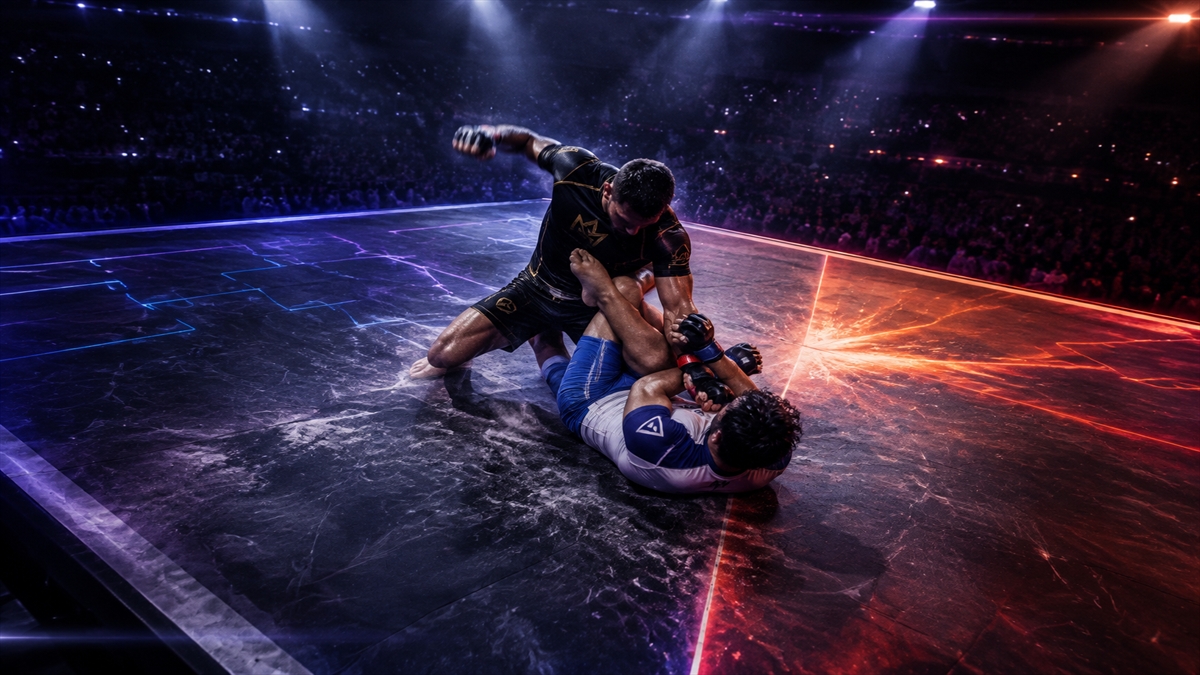
A grappling grudge match with punches added is the kind of announcement that makes you stop scrolling. Rousimar Palhares and Andre Galvao are set for another round, and the twist is that strikes are now part of the deal. Two of the most recognizable names in submission grappling are stepping into a hybrid format, and nobody is quite sure what it will look like once the first shot lands. Here's what matters going in. Treat the details on date, venue and final rule language as still developing, because hybrid rule sets tend to change right up to the walkout.
1. The Announcement Changes the Question
A normal ADCC rematch asks one thing: who is better on the mat? Add strikes and the question gets messier. Now it's who is better on the mat while worrying about getting hit. That's a different sport. Every position that feels safe in pure grappling suddenly has a price tag attached.
It's a bit like taking a poker pro and sitting him down at blackjack. The skills overlap, but the math doesn't. Both men have to rebuild their risk calculations in real time.
2. Takedowns Get Riskier for the Man Shooting
In ADCC, a sloppy shot costs you a position. With strikes, it can cost you a knee to the face or a sprawl with some extra intent behind it. Galvao has the better wrestling-to-passing chain, but shooting from the outside with no setup is a gamble when your opponent can punch on the way in.
Expect more clinch work, more underhooks, and less of the long-range shot-chasing you see in a pure grappling bracket. Pulling guard also looks different. Sitting down used to be a legitimate strategy. Now it can mean absorbing strikes from a standing opponent before you've built anything.
3. Guard Play Becomes a Defensive Puzzle
Guard is where this gets interesting. In grappling, the guard player controls the tempo. With strikes, the top player can posture up, create distance and throw. The guard player now needs tight grips, active hips and a plan to stop the opponent from creating that space.
Galvao's guard and passing are both elite, so he has options. But the best guard in a gi-less event can still get messy when someone is trying to land on you. Closed guard, long a staple, looks like the safest tool here, while open-guard leg entanglement attempts carry more exposure.
4. Leg Locks: The Big Variable
Leg-lock entries usually involve sitting, rolling or dropping to the mat, and those are exactly the moments that are vulnerable when strikes are legal. If you're going for a saddle or a heel hook entry, you can be hit before you secure the position.
That cuts both ways. Palhares has built a reputation on locking up legs and cranking. But once he has the leg and the position is tight, he's in a spot where his opponent has limited striking leverage. Leg entanglements tend to neutralize an opponent's hips, which is where power in punches comes from. If Palhares gets there clean, strikes may matter less than the pure grappling would suggest.
5. The Résumés: Pedigree vs. Reputation
Galvao is a decorated no-gi competitor, a multiple-time ADCC champion and a long-time standout of the Atos system. His game is built on pressure, positional dominance and smart transitions. He doesn't need to win with a single lucky submission.
Palhares came up through MMA and the UFC, and he's an ADCC veteran with a heel hook game that scared people long before most grapplers took leg locks seriously. His strength is raw, explosive leg-lock power, plus the ability to finish positions that other people would only hold for control.
| Factor | Galvao | Palhares |
|---|---|---|
| Core strength | Positional control and pressure passing | Leg-lock finishing power |
| Competitive background | Elite no-gi and ADCC titles | MMA, UFC and ADCC experience |
| Strike-rule edge | Wrestling and top control | MMA striking experience and leg entanglements |
| Main risk | Unfamiliar striking exchanges | Getting stuck on the feet or in top control |
Here's the honest read: Palhares has more experience with strikes in a fight, but Galvao has the stronger overall grappling base. If this stays standing or turns into top control, Galvao looks sharper. If it turns into a scramble with leg entries, Palhares gets dangerous quickly.
6. The Elephant in the Room: Holding Past the Tap
You can't preview Palhares without addressing it. His career has been marked by controversy over holding submissions after opponents tapped. It cost him his UFC job and led to suspensions and bans in other promotions. It's a big reason his name carries a mix of fear and caution.
In a format that already raises the risk level, that history matters. Heel hooks can destroy a knee in a moment, and strikes may make it harder for a referee to read taps and verbal submissions in a chaotic scramble. The questions are practical:
- Will there be a referee positioned to stop leg-lock scrambles immediately?
- How will verbal taps and tap signals be handled if a fighter is also covering up?
- Will there be added penalties for failing to release on a tap?
- Will heel hooks be fully legal, or restricted in some way?
Those answers matter more than any prediction.
7. What's at Stake at This Stage of Their Careers
For Galvao, this is a chance to show his grappling dominance translates to a more MMA-flavored environment. A win adds to his legacy and makes him a bigger draw outside the grappling scene. A loss is a bigger problem, because he's the favorite on paper and the format is somewhat out of his usual lane.
For Palhares, it's a rare chance to put his name back in front of a large audience under rules that suit his MMA background. A clean, controlled win would help repair some of his reputation. Another incident with a late release would do the opposite and probably close more doors than it opens.
Open Questions Before the Walkout
Hybrid formats are fun to talk about and hard to run. The unknowns are real:
- Strike rules: Are strikes allowed on the ground, standing or both? Are elbows legal? Are there glove or padding specifications?
- Scoring and win conditions: Does a knockdown count as points, or is it purely finish-or-decision?
- Referee control: Can the ref stop the action quickly for a leg lock without breaking the flow?
- Medical oversight: What's the plan for knee injuries and head trauma in the same bout?
The Bottom Line
This rematch is intriguing because nobody can say for sure how it will play out. Galvao has the stronger complete grappling profile, and Palhares has the nastiest single weapon in the building. Strikes force both men out of their comfort zones, and that's where a fight like this gets unpredictable. It's worth watching, but with open eyes: the safety question is as important as the sporting one, and a good result here depends on tight refereeing as much as on skill.


