The Kimbo Slice Legacy Tax: Why MMA's Most Unlikely Godfather Still Shapes Who Gets Paid in 2025
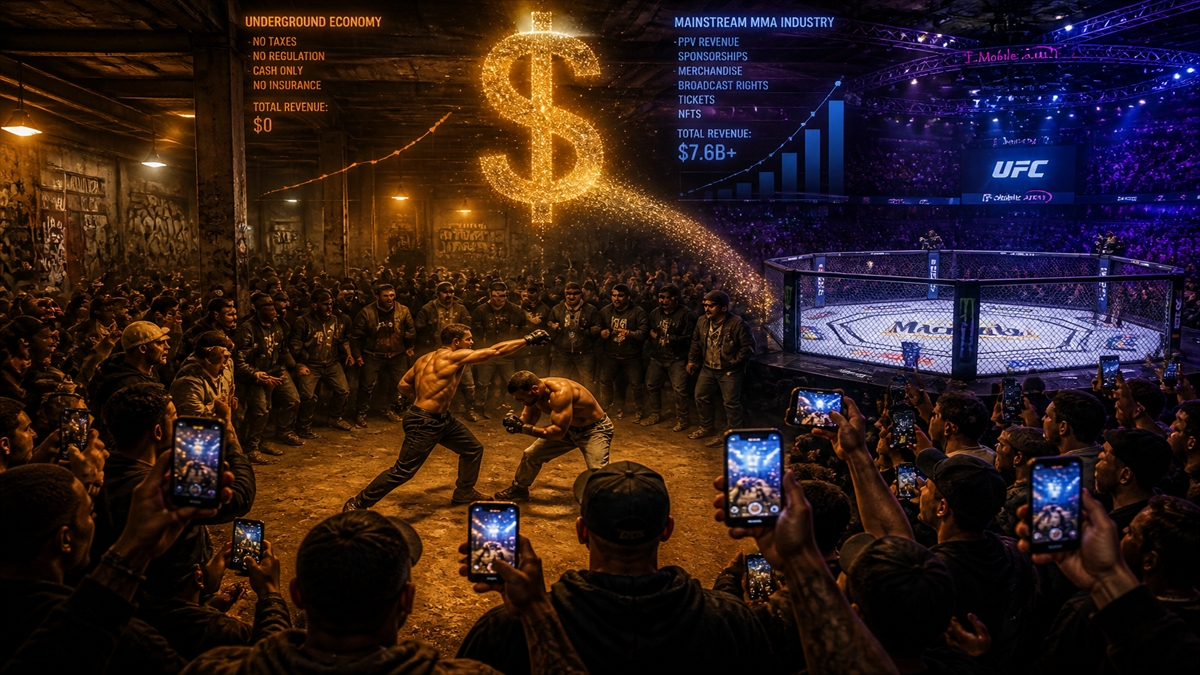
When Jorge Masvidal posted his recent tribute to Kimbo Slice, it wasn't just nostalgia—it was acknowledgment of a debt. Not a technical debt or a competitive one, but an economic one. Because here's the uncomfortable truth that makes purists squirm: Kimbo Slice, a backyard brawler who got submitted by a cruiserweight in his EliteXC main event, did more to inflate modern fighter paychecks than 90% of the people in the Hall of Fame.
That's not hyperbole. It's arithmetic. And in 2025, as we watch influencer-fighters bank seven figures while world-ranked grapplers scrape by on Reebok coupons and expired chicken, the Kimbo blueprint is more relevant than ever.
The Spectacle Equation Nobody Wanted to Solve
Before Kimbo, the MMA economic model was brutally simple: win fights, climb rankings, maybe get a title shot, hope the PPV points trickle down. It was a meritocracy in the worst possible way—pure skill rewarded with pure poverty unless you happened to also be Tito Ortiz levels of obnoxious.
Kimbo flipped the formula. He came into EliteXC in 2007 with a 1-0 record and immediately headlined prime-time CBS. Not because he'd paid dues. Not because he'd beaten top contenders. Because 30 million people had watched him flatten guys in Dada 5000's backyard on a platform called YouTube that most promoters still thought was for cat videos.
The May 2008 CBS card that featured Kimbo versus James Thompson drew 6.51 million viewers. For context, that's more eyeballs than most modern UFC PPVs generate. And every single one of those viewers tuned in knowing Kimbo might get exposed—which he nearly did when Thompson's cauliflower ear almost ended the fight via grotesque inflation.
But here's what the


