MMA: A Sport Built on Adaptation and Evolution
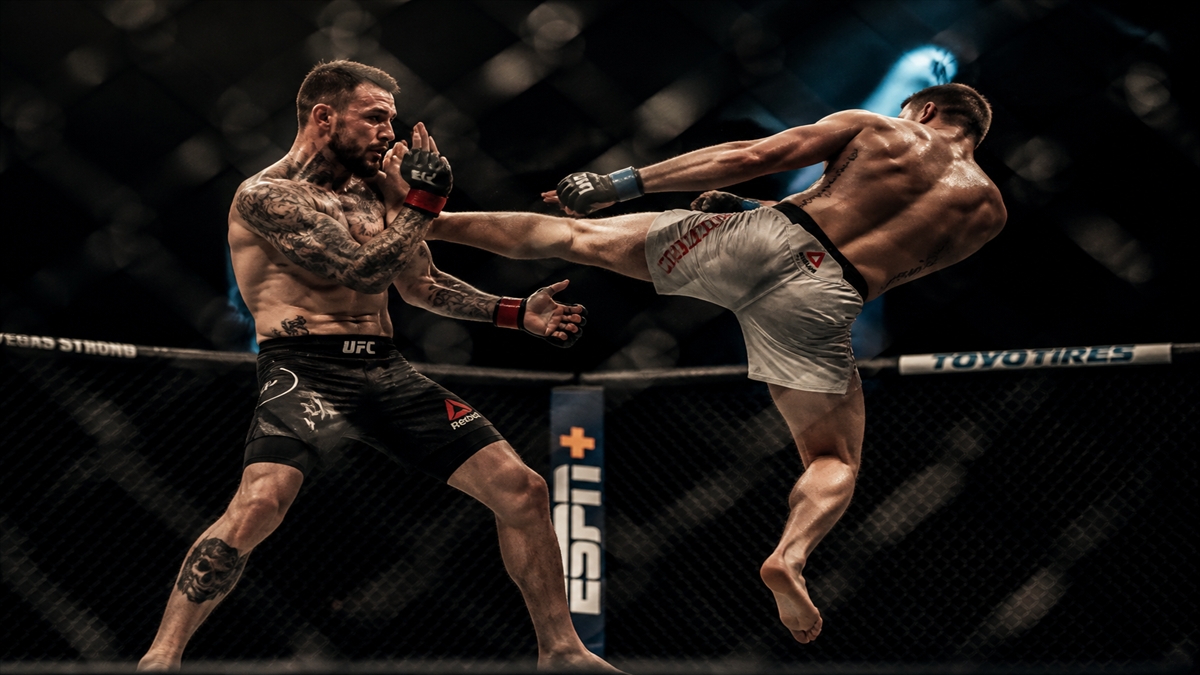
Mixed Martial Arts (MMA) is one of the fastest-evolving sports in the world. Unlike traditional disciplines that follow rigid stylistic boundaries, MMA thrives on adaptation. Fighters are required to blend multiple martial arts into a seamless system, constantly adjusting their approach as the sport itself advances. This dynamic nature is a major reason MMA continues to attract new fans, athletes, and media attention worldwide.
From Style vs. Style to Complete Fighters
In its earliest form, MMA focused on contrasting styles—wrestler versus striker, grappler versus kickboxer. These matchups helped identify which techniques were effective under minimal rules. Over time, however, specialists began to struggle against well-rounded opponents. Today’s elite fighters train across disciplines, developing strong fundamentals in striking, wrestling, clinch work, and submissions.
Modern MMA is less about proving one martial art superior and more about strategic integration. Fighters study tendencies, adapt game plans, and exploit small weaknesses. The result is a sport that rewards intelligence and preparation just as much as physical ability.
Regulation and Professional Standards
The introduction of unified rules and athletic commission oversight marked a turning point for MMA. Weight classes, medical screenings, round limits, and standardized judging criteria helped transform the sport into a professional, regulated competition. These changes not only improved fighter safety but also increased public trust and acceptance.
Regulation allowed MMA to expand onto major broadcast platforms and into international markets. As legitimacy grew, so did sponsorships, training infrastructure, and athlete compensation. What was once viewed as fringe entertainment is now a recognized professional sport.
Training Camps and Physical Demands
MMA fighters endure some of the most intense training camps in sports. Preparation typically lasts eight to ten weeks and involves strength conditioning, technical drilling, sparring, recovery protocols, and strict nutrition plans. Fighters must peak physically while managing injuries and weight cuts.
Mental preparation is equally important. Fighters analyze opponents, rehearse scenarios, and train under pressure to simulate fight-night conditions. Success in MMA depends on discipline, adaptability, and the ability to perform under extreme stress.
The Role of Personality and Promotion
MMA is not just a sport—it is also a form of entertainment driven by personalities. Fighters who can communicate effectively, build rivalries, or share their journey often gain larger followings. Social media, interviews, and digital content allow athletes to control their narratives and connect directly with fans.
These personal brands play a significant role in shaping careers. While performance remains the foundation, visibility and fan engagement can influence opportunities, sponsorships, and long-term recognition within the sport.
MMA and Online Casino Culture
As MMA has grown globally, it has naturally intersected with online entertainment and gaming culture. Fight events are often accompanied by prediction contests, fantasy formats, and betting-related discussions among fans. In Nordic markets, the term nettikasino is commonly used to describe online casino platforms that offer sports betting alongside other digital games.
Within MMA, these platforms frequently appear as sponsors or partners, reflecting how combat sports and online entertainment have become closely linked in the modern digital landscape.
In addition to digital engagement, casinos and online platforms can also play a direct role in the growth of MMA through event sponsorships and partnerships. From supporting fight nights and regional promotions to sponsoring individual athletes, casino-related brands often contribute to the financial infrastructure that allows events to be produced at a professional level.
These sponsorships help fund venues, broadcasts, and marketing efforts, ultimately benefiting fighters and fans alike. When aligned responsibly, such partnerships can strengthen the overall ecosystem of MMA and support its continued expansion on both local and international stages.
Global Expansion and Cultural Diversity
One of MMA’s greatest strengths is its international reach. Fighters from Europe, Asia, Africa, the Americas, and the Middle East compete at the highest levels, bringing diverse fighting styles and training philosophies into the cage. This global exchange continuously raises technical standards and enriches the sport.
Events held outside traditional markets regularly attract sold-out crowds and massive streaming audiences. MMA’s universal appeal lies in its simplicity: two athletes, one contest, and no language barrier inside the cage.
Influence Beyond Competition
MMA’s impact extends far beyond professional events and its physical benefits are well documented. Gyms around the world now offer MMA-based fitness programs for amateurs, hobbyists, and fitness enthusiasts. Training emphasizes functional movement, endurance, and mental toughness, making it appealing to people seeking alternatives to traditional workouts.
The sport has also influenced self-defense training, youth programs, and personal development initiatives, reinforcing MMA’s role as more than just competitive fighting.
The Future of MMA
MMA continues to evolve through advances in sports science, coaching methods, and athlete welfare. Improved recovery techniques, data-driven training, and refined rules ensure the sport remains competitive and sustainable. New generations of fighters are entering the scene more prepared than ever before.
As digital media, global audiences, and cross-industry partnerships grow, MMA’s position in modern sports culture appears secure. What began as an experiment has become a permanent and powerful force in global athletics.


