The Economics of Ugly: Why Pre-Fight Brawls Are Boxing and MMA's Most Profitable Theater
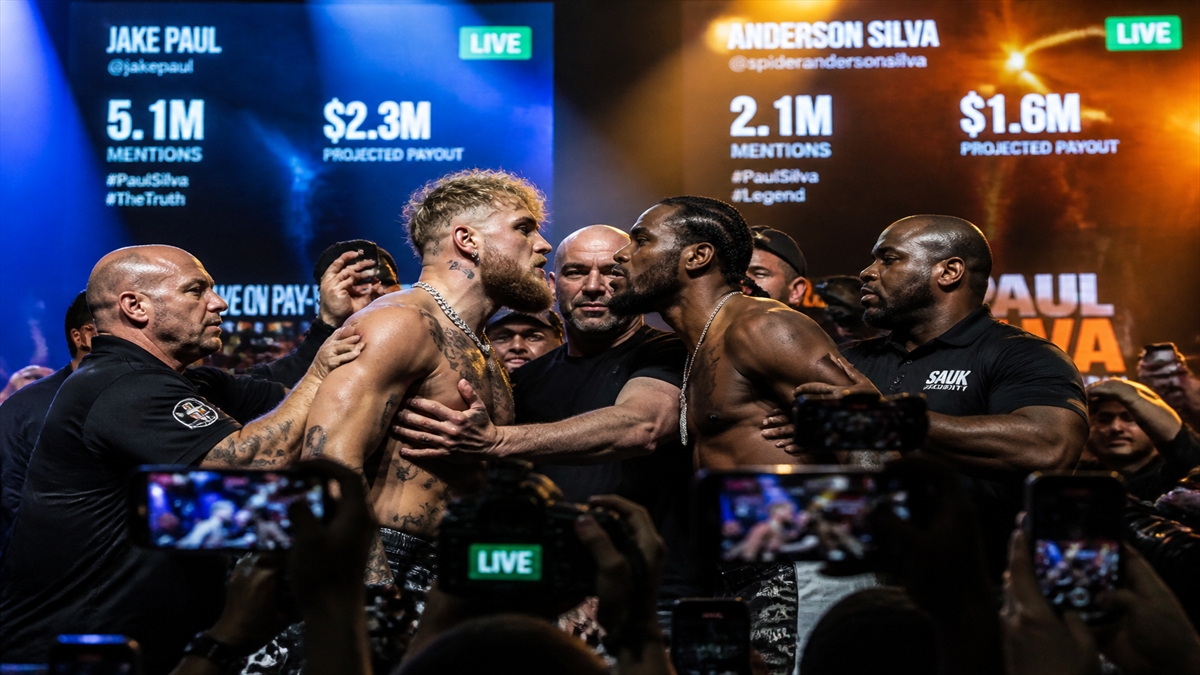
The PFL Brussels weigh-ins descended into chaos hours ago, with fighters exchanging blows during what should have been a routine ceremonial face-off. Social media erupted. Clips went viral. And somewhere in a corporate office, a promoter smiled at their analytics dashboard.
Here's what they won't tell you: that "ugly brawl" might be worth more than the actual fights.
The Neuroscience of Controlled Chaos
When Jon Jones shoved Daniel Cormier at a 2015 press conference, UFC 182 became one of the year's biggest sellers. When Khabib Nurmagomedov and Conor McGregor turned a Bellator event into a melee in 2018, UFC 229 shattered pay-per-view records with 2.4 million buys. The pattern isn't coincidental—it's neurological.
Dr. Paul Zak's research on neuroeconomics reveals that conflict triggers oxytocin and cortisol releases in observers, creating what he calls "narrative transportation." We don't just watch pre-fight brawls; our brains chemically invest in them. This is the same mechanism that makes reality TV addictive and political debates compelling, except combat sports offer something unique: the promise that this theater will culminate in actual, sanctioned violence.
The PFL Brussels incident follows this playbook perfectly. Social media algorithms prioritize engagement over everything else, and nothing drives engagement like perceived authenticity in conflict. A highlight reel shows athletic excellence; a weigh-in brawl shows personal animosity. One demonstrates skill. The other promises war.
The WWE Precedent Nobody Admits To
Professional wrestling figured this out decades ago, but combat sports promoters bristle at the comparison. They shouldn't. Vince McMahon built a billion-dollar empire understanding that the anticipation of violence often sells better than the violence itself.
Consider the economics: producing a three-minute highlight package costs thousands in production value. A weigh-in brawl costs nothing and generates exponentially more organic reach. The PFL Brussels scuffle has already been clipped, shared, and embedded across hundreds of platforms—each impression worth fractions of cents that compound into substantial value.
Dana White once admitted that the UFC's social media engagement spikes highest during press conference confrontations, not post-fight interviews. This creates a perverse incentive structure where promotional value sometimes supersedes sporting integrity.
The Calculated Risk Matrix
Not all brawls are created equal. Promoters walk a tightrope between viral theater and actual liability. Here's the hidden calculus:
- Timing matters: Pre-fight incidents boost PPV buys by 15-30% according to industry analysts. Post-fight brawls (like UFC 229's aftermath) risk commission fines and venue bans.
- Severity matters: Shoving and shouting? Perfect. Actual injuries? Disaster. The sweet spot is maximum visual chaos with minimum actual damage.
- Authenticity matters: Audiences have sophisticated BS detectors. Manufactured beef (see: most boxing press conferences) gets mocked. Genuine animosity (McGregor-Khabib, Jones-Cormier) becomes cultural moments.
The PFL has historically positioned itself as the "more professional" alternative to UFC's theatrics. Yet here they are, benefiting from the same dynamics. It's not hypocrisy—it's market forces. In an attention economy, the product isn't just the fights; it's the story around them.
The Oleksandr Usyk Counterpoint
Meanwhile, at Glory in Giza weigh-ins, Oleksandr Usyk stepped on the scale 25 pounds lighter than kickboxing champion Rico Verhoeven. No drama. No brawl. Just quiet professionalism and the surreal image of a boxing champion testing himself in another discipline.
This represents combat sports' alternative path: excellence as marketing. Usyk's cruiserweight-to-heavyweight boxing dominance already established his legacy. This kickboxing appearance adds mystique through accomplishment rather than confrontation. It's the Georges St-Pierre model—let the resume speak.
Yet Usyk's weigh-in generated a fraction of the PFL Brussels brawl's engagement. Excellence ages like wine; chaos moves like wildfire. Both have value, but only one dominates quarterly earnings calls.
The Fighter's Dilemma
For athletes, pre-fight theater presents a Faustian bargain. Participate in the spectacle, boost your earning potential. Refuse, risk irrelevance. The UFC vet who just announced retirement after a recent loss (one of eight promotional appearances) likely never mastered this balance. Technical excellence matters less than memorable moments in an era where 12-second clips determine careers.
Nova Uniao prospect Keweny Lopes, eager to make his mark at PFL Brussels, enters a landscape where a heated staredown might matter as much as his actual performance. The sport rewards whole-package entertainment value—athletic skill wrapped in marketable personality.
The Viral Calculus
Let's quantify the impact: A typical fight announcement generates 50,000-200,000 social impressions. A quality knockout GIF might hit 500,000-1 million. A legitimately heated weigh-in confrontation? Conservative estimates start at 5 million impressions across platforms, with outliers reaching 50 million-plus.
Those impressions translate directly to revenue through multiple channels: PPV buys, gate attendance, gambling handle increases, and sponsor value. The PFL Brussels brawl essentially functioned as millions in free advertising, delivered to precisely the demographic most likely to convert to paying customers.
The Uncomfortable Truth
We can clutch our pearls about "disrespecting the sport" while commissioners issue token fines. But the market has spoken: authenticity sells, conflict captivates, and pre-fight theater frequently proves more valuable than the athletic contests themselves.
The PFL Brussels weigh-in brawl wasn't a failure of professionalism. It was an accidental masterclass in viral marketing—or perhaps not so accidental. In an industry where attention equals revenue, sometimes the ugliest moments generate the most beautiful profit margins.
As long as social algorithms reward engagement over excellence, combat sports will continue walking this line between sport and spectacle. The only question is whether we're honest enough to admit we're entertained by both.


