The Difference Between Risk-Taking and Recklessness Inside the Cage
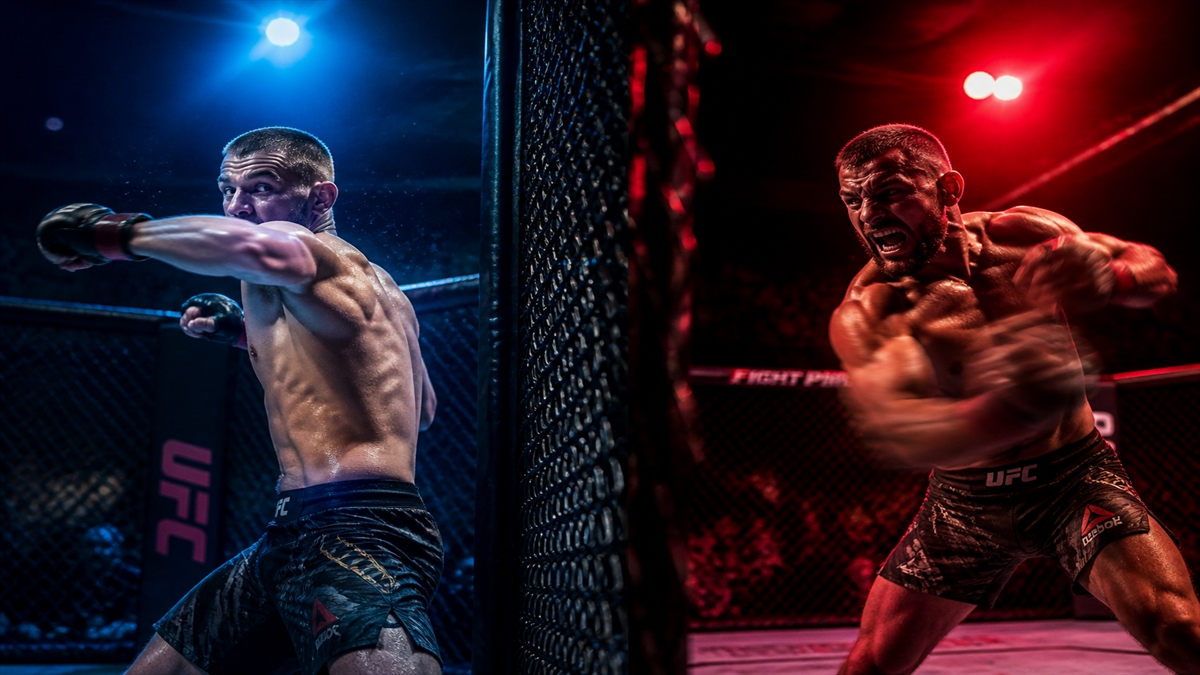
Risk is unavoidable in MMA. Every exchange carries consequences. Every decision inside the cage can shift a fight instantly. Despite this, experienced fighters and coaches know there’s a clear difference between calculated risk-taking and outright recklessness. The best ones know where that line sits, and how it shouldn’t be crossed.
Risk-taking is strategic. Recklessness is emotional. The difference can determine who controls the fight and who ends up chasing it unwisely.
Calculated Risks Win Fights
When it comes to effective risk-taking in MMA, the foundation is built on preparation and awareness. Fighters take risks when they comprehend the trade-offs. Throwing a spinning elbow. Shooting for a takedown late in a round. Engaging in a high-paced exchange. None of these moves are reckless if they’re backed by timing and positional awareness.
Elite competitors select moments to take risks when the odds are tilted in their favour. They read opponents in various ways. They consider their reactions, their energy levels, even their habits.
When a risk pays off, it looks brilliant. When it doesn’t, it can still make sense in context.
When Risk Turns into Recklessness
Recklessness rears its ugly head when emotion overrides strategy. One example is when a fighter gets clipped and rushes forward. They quickly abandon their gameplan and start swinging wildly in search of a finish. The problem is they significantly increase their levels of unnecessary danger. These moments aren’t driven by calculation. They’re driven by frustration, ego and desperation.
This is where many fights are lost. A single reckless exchange can undo multiple rounds of disciplined work. Unlike calculated risk, recklessness offers little in the way of long-term upside – even if it can produce results.
Key Differences Inside the Cage
To further clarify, here are some contrasts between risk-taking and recklessness in MMA:
- Risk-taking is planned. Recklessness is reactive.
- Risk-taking considers position and defence. Recklessness ignores consequences.
- Risk-taking aligns with a gameplan. Recklessness abandons any gameplan.
- Risk-taking adapts to the opponent. Recklessness forces exchanges blindly.
- Risk-taking can be measured and repeated. Recklessness compounds damage quickly.
These differences might seem subtle, but they become obvious over three or five rounds.
Lessons Beyond MMA
The distinction between the two extends beyond fighting. After all, risk exists in many competitive environments, including financial decisions and entertainment platforms.
Take an online casino like Jackpot City NZ for example. Here, the difference between responsible play and reckless betting follows a similar logic. Players who set limits and know odds are taking calculated risks. Those who chase losses emotionally and start playing games they’re unfamiliar with cross into recklessness. As with MMA, the environment rewards discipline far more consistently than impulse.
Final Thoughts
It’s important to remember calculated risk isn’t about being fearless; it’s about effectively managing fear. If a fighter doesn’t take any risks, they’re unlikely to win decisively. Conversely, those who take too many risks don’t tend to last long.
The sweet spot lands in the realm of controlled aggression, where the fighter knows when to press and when to reset. Champions realise patience and awareness, along with a dash of timing, turn risk into opportunity.


